
New York, USA — Feb. 25, 2026 — Flox Intelligence, the wildlife intelligence company building AI systems that help infrastructure prevent human-wildlife conflict, today announced a $3 million Seed+ round led by Tilia Impact Ventures*, with participation from Satgana, GENIUS NY (operated by CenterState CEO), J.O.S.S. and existing investors Unconventional Ventures and Almi Invest.
Flox Intelligence already works with major airports, departments of transportation, infrastructure owners, and mission-driven partners across North America and Europe, including the U.S. Department of Agriculture, GRR Gerald R. Ford International Airport, WWF, KWS Group, a global leader in plant breeding and seed production, and Boliden, a European mining leader, alongside a global partnership with Alstom, a mobility leader in rail and sustainable transport, among others.
The new capital will accelerate deployments across North America while supporting growing international demand for Flox Intelligence’s AI-powered wildlife deterrence platform across airports, rail corridors, road networks, and industrial sites.
This funding follows Flox Intelligence’s Seed round in July last year and marks a major step-up in execution. Over the past few months, the company has expanded its operations across the U.S. and Canada, grown its New York headquarters, and accelerated commercial deployments.
A Multibillion-Dollar Problem, Growing Every Year
Human-wildlife conflict is already a global multi-billion-dollar problem — and it’s accelerating as humans take more space, wild animals are pushed closer to urban spaces, and transportation systems get faster, quieter, and harder to avoid.
In aviation alone, wildlife strikes drive global losses estimated at roughly $1B–$1.5B every year in damage and delays. On the ground, the U.S. sees more than 1 million wildlife-vehicle collisions annually, costing over $10B each year in repairs, medical care, lost productivity, and emergency response. With one collision occurring roughly every half minute, there are cascading impacts on human safety, operational uptime, and biodiversity as wild animals are pushed into shrinking corridors. The tools we have relied on for decades do not scale and do not learn. They treat wildlife as a problem. Flox Intelligence is built on a different premise.
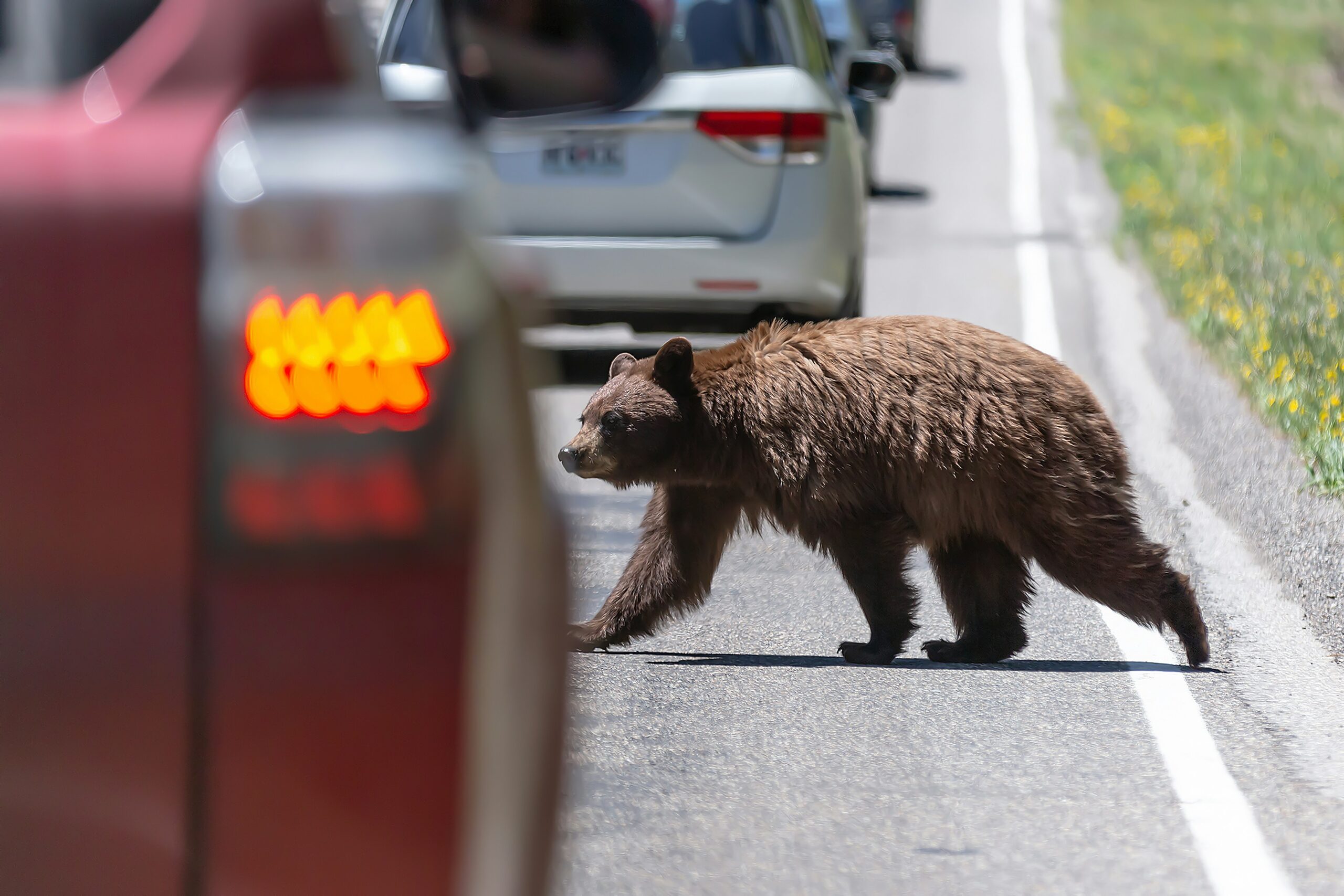
As wildlife corridors shrink, collisions on roads and rail keep rising—driving massive cost, disruption, and loss of life. Flox Intelligence is already working with departments of transportation across roadways, rail corridors, and wildlife crossings.
Beyond AI hype: Physical AI that lets infrastructure speak in an animal’s own language
AI is everywhere right now — but most of it lives on screens.
Flox Intelligence is building AI that lives in the physical world — systems that sit at the edge, in harsh environments, operating 24/7 — where decisions have to be made in seconds. The company combines embedded systems, real-time sensing, and applied wildlife science to speak with animals in their own language. In other words, it turns wildlife communication into actionable intelligence — enabling critical infrastructure to “speak” with wildlife and gently guide them away from high-risk zones before incidents happen.
Born out of an AI research lab at KTH Royal Institute of Technology in Stockholm and developed through five years of field validation with leading wildlife biologists, the company has launched its first commercial product, Edge. Edge is an intelligent wildlife deterrent system built for harsh, real-world environments, engineered for multiple species, extreme weather, remote sites, limited connectivity, and long uptime.
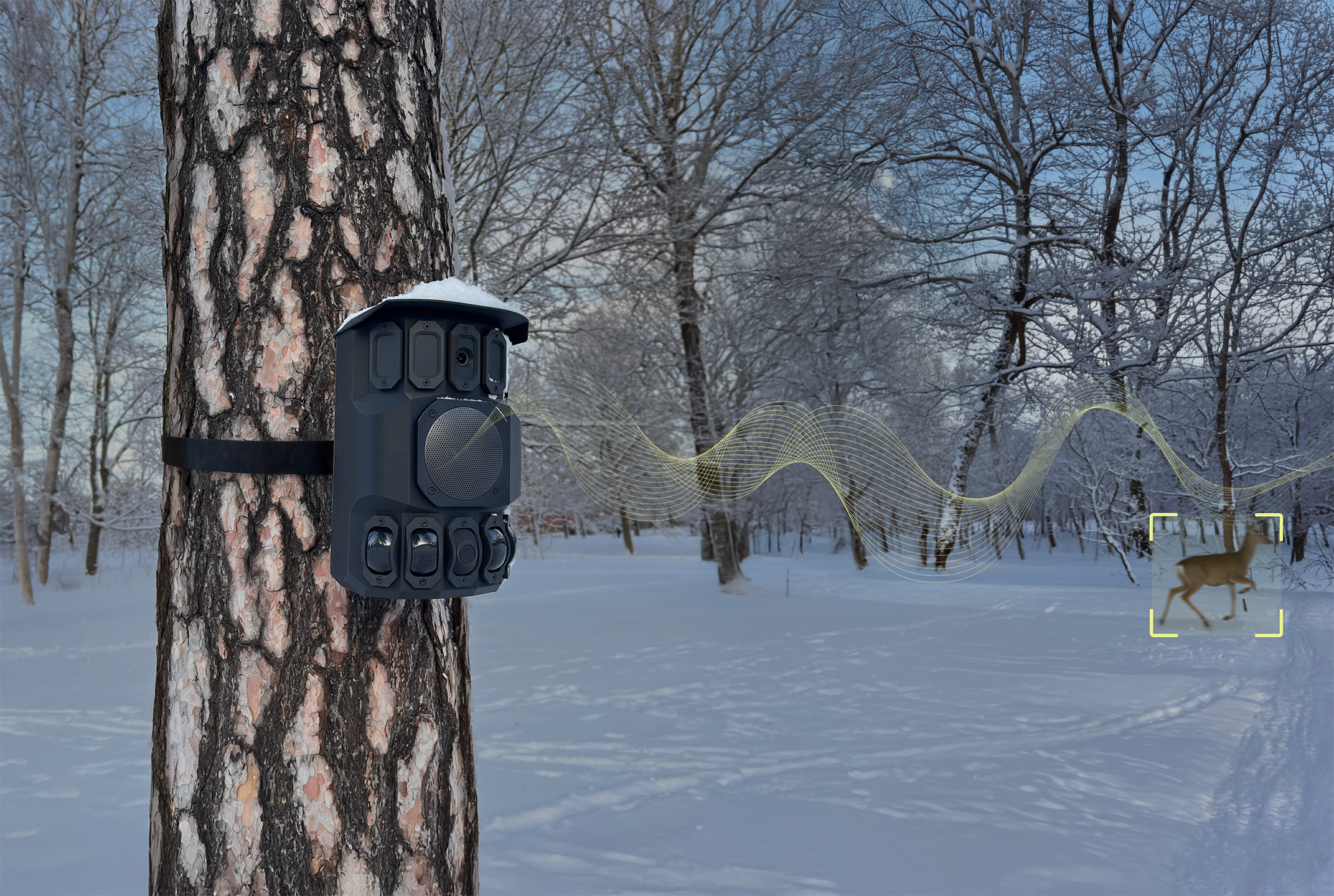
Edge is the missing communication layer between infrastructure and wildlife – always on, multi-species, multi-modal, and deployed at the edge.
Edge pods are already shipping to the front lines of human-wildlife conflict. From airports battling coyotes, deer, and bird strike risks, to rail corridors where moose and bears can shut down operations in seconds. Edge is also helping DOT road networks where deer and bison collisions drive injuries, fatalities, and financial losses. Even ranches and farms balancing predator-healthy ecosystems with livestock protection, and cities and public spaces where wildlife is moving in, are use cases where Edge is enabling coexistence. Edge has logged over 60,000 wildlife events across 27 species, and early deployments show measurable reductions in wildlife presence in high-risk zones.
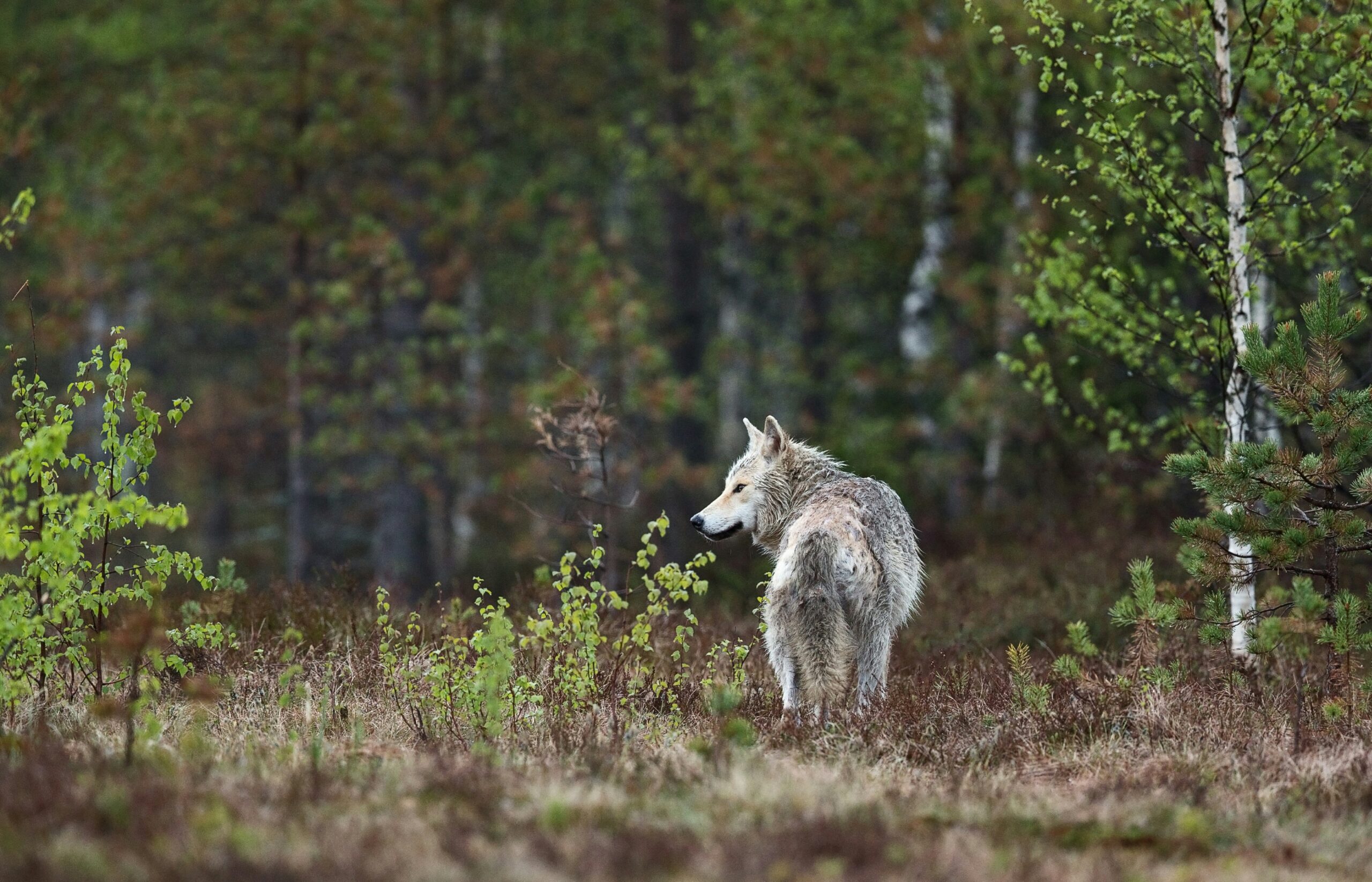
Flox Intelligence works with partners such as WWF, sheep-breeding associations, and local governments across North America and Europe to enable coexistence with carnivores, protecting healthy ecosystems while keeping livestock safe.
Beyond Deterrence: A Biodiversity Intelligence Layer
Flox Intelligence is building toward a clear ambition: to be the category leader in wildlife intelligence — replacing a world of reactive, fragmented deterrents like scarecrows, pyrotechnics, gunshots, and fences with a modern, autonomous layer of prevention and learning at the edge. Every deployment makes the next one smarter – and collectively, they are building one of the world’s largest non-lethal wildlife datasets and windows into how wildlife moves, adapts, and survives alongside human infrastructure.
“Sara and Tomas possess the qualities of strong founders: unbound ambition and determination, paired with rapid execution and fast learning cycles. Moreover, their mix of business acumen, technical expertise and passion for biodiversity is unique.” said Petr Vitek, GP & Co-founder at Tilia Impact Ventures. “At Tilia Impact Ventures, we believe protecting our environment requires going beyond CO2 reduction. We must also prioritize biodiversity and human-wildlife coexistence to keep our planet healthy. As AI moves into the physical world, Flox Intelligence is perfectly positioned to become the foundational layer for wildlife intelligence.”
“Human-wildlife conflict has been hugely overlooked, and Flox Intelligence is turning the solution to this problem into a scalable business model with tangible impact,” comments Alexis Horowitz-Burdick, General Partner at Unconventional Ventures. “Flox Intelligence proves that deep tech can meaningfully change the way industries interact with our natural ecosystems, while deploying at scale and delivering lasting outcomes.”
“The future of infrastructure safety will include wildlife intelligence by default,” said Sara Nozkova, CEO & Co-founder of Flox Intelligence. “For decades, we’ve relied on reactive tools — from scare tactics to fences — that don’t scale, don’t learn, and don’t protect the corridors wildlife depends on. For so many years, we have been fighting wildlife, but what if we could communicate with them instead? Flox Intelligence is building a future where critical infrastructure can proactively prevent conflict, where animal movement is respected and safer, and where people and wildlife can finally coexist. Our goal is to make wildlife intelligence a standard layer of modern operations — and to lead that category globally.”
* Supported by the InvestEU Fund, pending ISP approval.
Flox Intelligence is a wildlife intelligence company creating a world where humans and wildlife coexist. Flox Intelligence builds autonomous systems deployed on the edge that gently guide wildlife in real time using AI, bioacoustics, and applied wildlife science. The technology prevents collisions, damage, and disruption across critical infrastructure — including railways, airports, roads, agriculture, and industrial sites — while providing clear reporting through the Flox Wildlife Platform.


