
One device. Detects,
decodes, deters, reports
— autonomously.
Onboard edge-AI and species-specific bioacoustics detect, deter, and report wildlife around the clock — gently guiding animals away from runways, rails, roads, and fields. In complete autonomy, without harm or habituation.
Runs 24/7, unattended
On-device edge AI does the work in the field — no trackside infrastructure, no operator in the loop.
Detection to deterrence
From the moment an animal is detected to a tailored response in under two seconds.
Keeps working, season after season
Species-specific responses adapt to every encounter, so animals don't learn to ignore it.
Online or not, it never stops
Edge AI keeps detecting and deterring with no signal; it syncs data and updates over LTE-M on reconnect.
~1,800 deterrence events per charge
Or up to 12 months in monitoring-only mode. The battery pops off to recharge in minutes — or swap in a fresh one.
−22 °F to +140 °F
That's −30 °C to +60 °C. Dust-tight and jet-rated (IP65), with a field-replaceable battery — engineered for harsh outdoor climates.
It speaks the language
they already know.
Species- and context-specific bioacoustics, tuned to each animal — precise, humane, and adaptive, so wildlife never learns to ignore it.
How it works
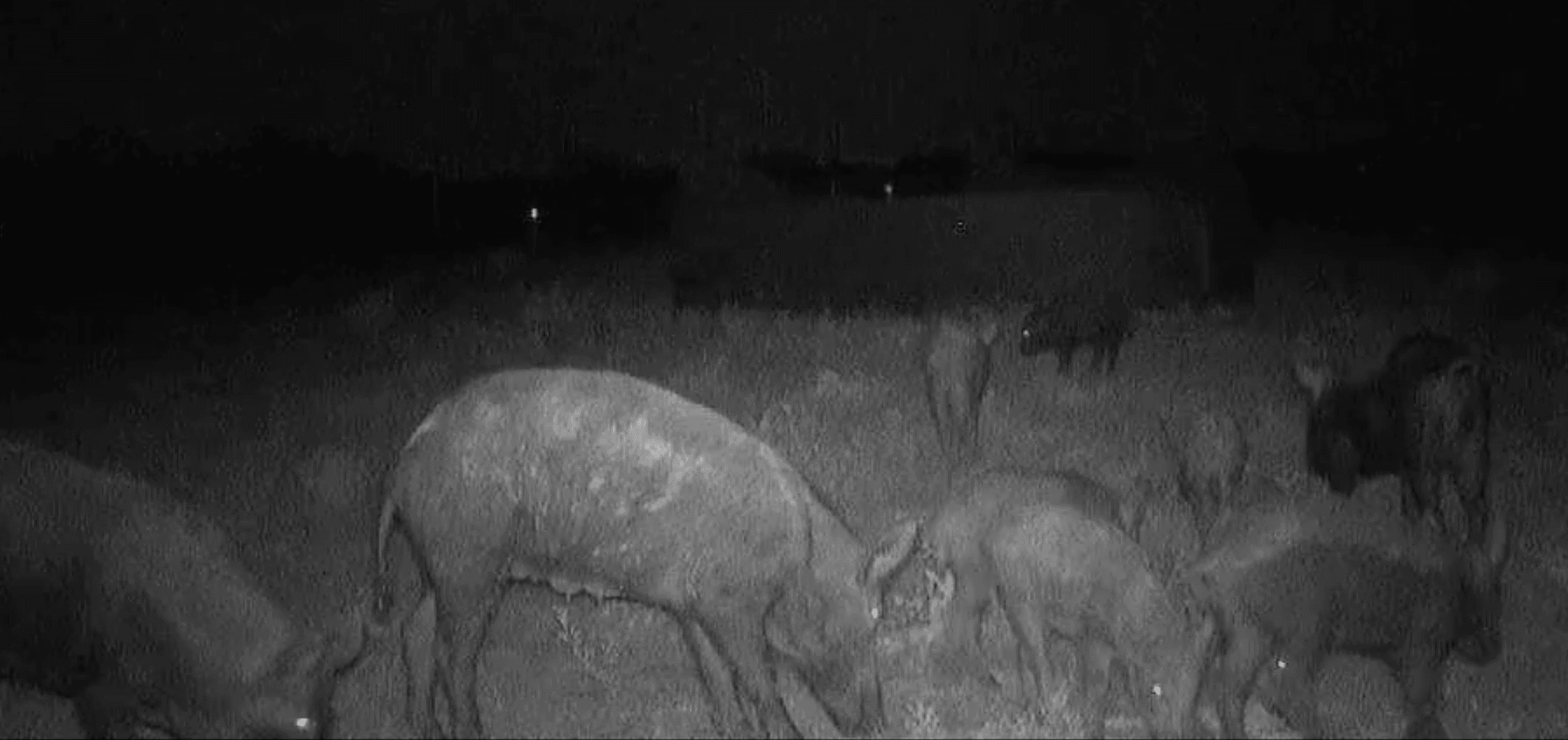
A PIR motion array wakes the unit; a 2 MP camera with IR illuminators sees 24/7. Onboard AI identifies the species, group size, and behavior in real time.
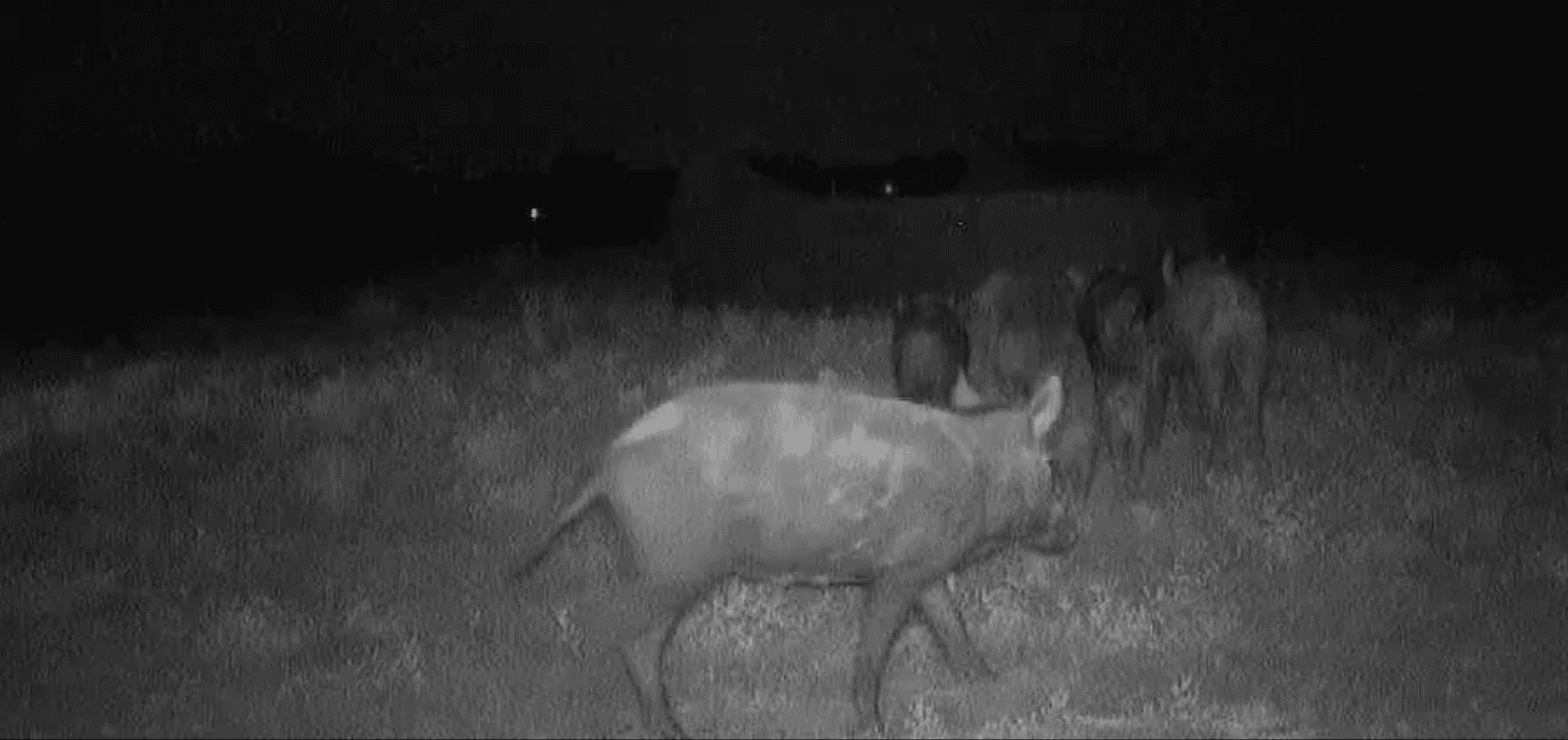
It reads species and context, then selects the right species-specific response — adapting each time to avoid habituation.
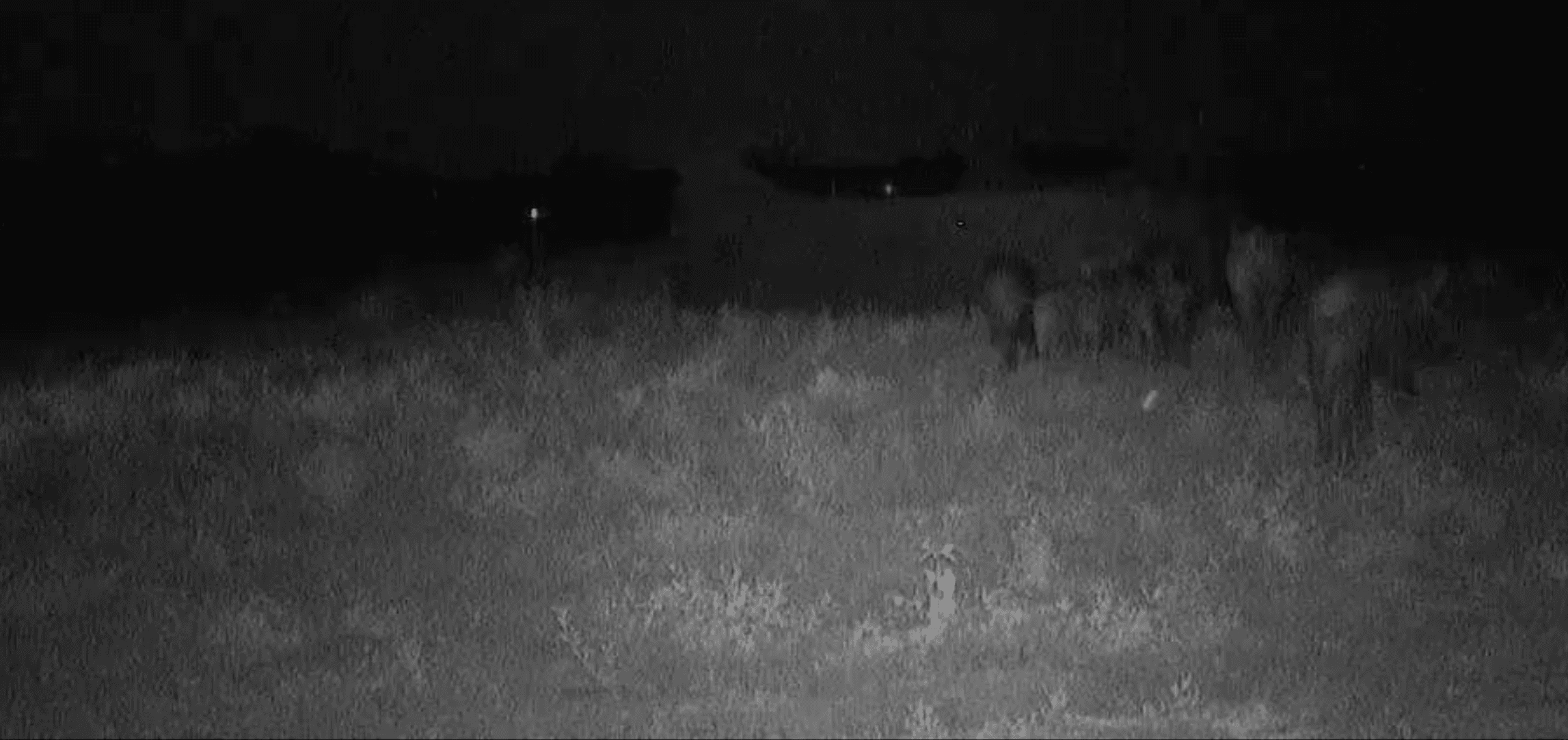
An adjustable speaker (up to 100 dB) guides the animal away gently and without harm — all in under two seconds — then logs the event.
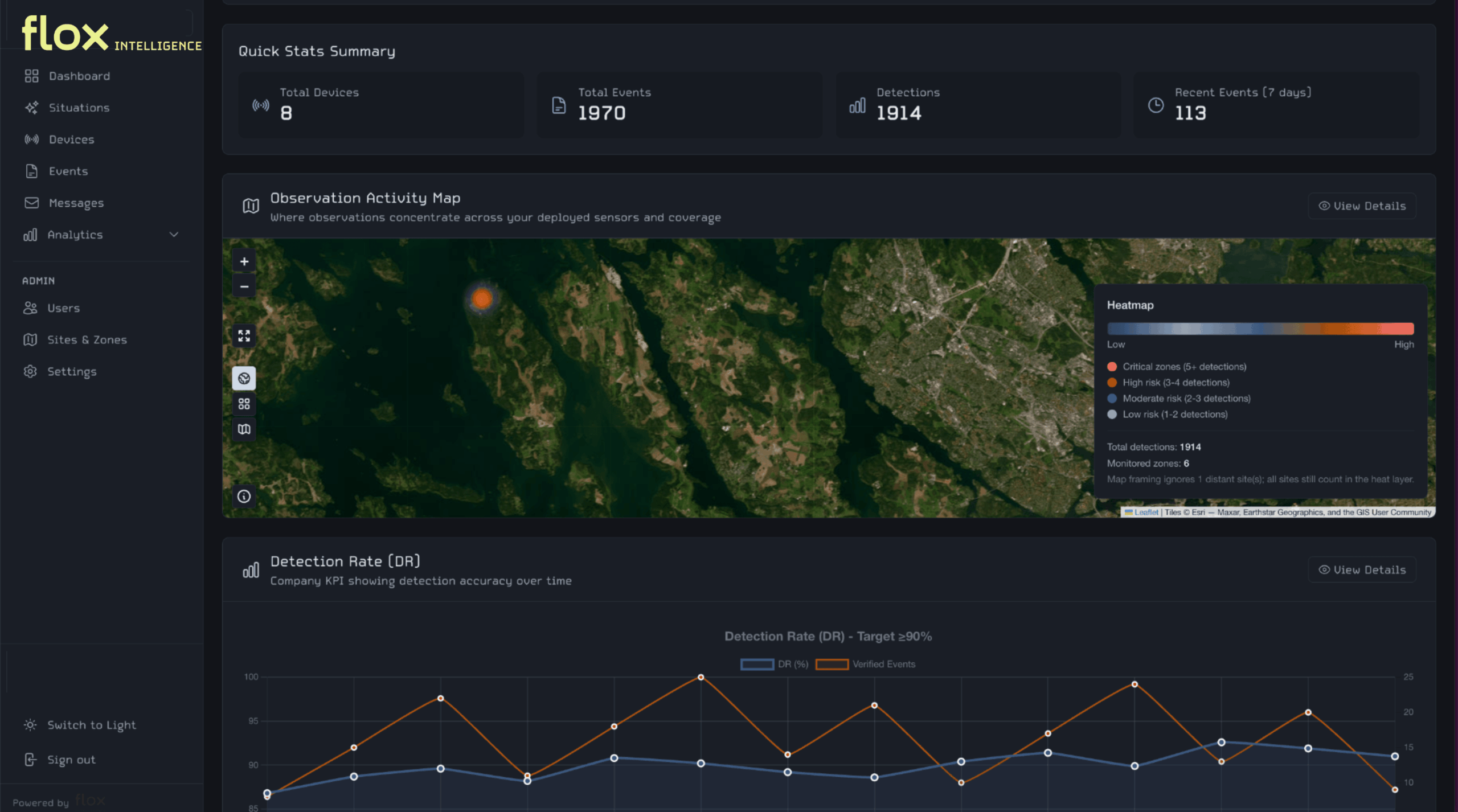
Data syncs to the Flox Platform over LTE-M — live activity, deterrence efficiency, and regulator-ready reports.
Every detection, live in Flox Platform.
Each Flox Edge streams its data directly into Flox Platform — where you and your team see live insights, build your own dashboards, and generate reports for compliance with authorities like the FAA, for biodiversity monitoring, and more.
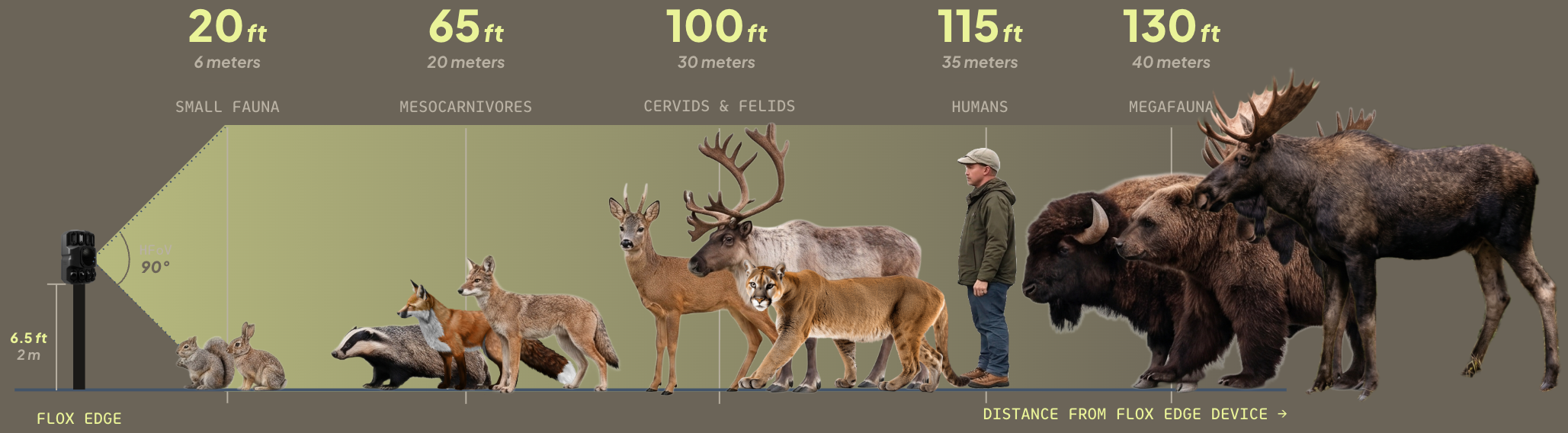
It sees the big ones from farther away.
Detection range scales with the physical size of the animal — larger species are picked up sooner. All within a 90° horizontal field of view at a typical 6.5 ft (2 m) mounting height.
The complete spec — and why it matters.
Every number, and what it actually changes in the field.


 Solar panel — extend runtime indefinitely at permanent or high-traffic sites.
 Mains / grid power — wire to continuous power where it's available.
 External microphone — add bioacoustic listening for richer monitoring.
Aligned with major EU & US safety, transport, and environmental standards.